Introduction
The potato price forecast has become an important factor for growers planning the 2026 season. Potato prices directly affect farm profitability because even a small price change can influence final returns. At the same time, farmers face rising costs for fertiliser, energy, labour, storage and transportation.
The 2026 potato market may bring more uncertainty than usual. Weather conditions, crop yields, production costs and changing consumer demand will shape price movements across different regions. A strong harvest may limit price growth in some markets, while supply challenges may create higher prices in others.
Western growers need reliable market signals before making production decisions. Yield alone does not guarantee higher profits. Farmers also need to understand buyer demand, storage opportunities, processing trends and regional supply conditions.
In the United States and Europe, the potato industry depends heavily on efficient supply chains and strong processing demand. The market value of a crop often depends on variety, quality and timing, not only on total production volume.
This article explores the key factors behind potato price movements in 2026. It explains what growers in the USA, Canada, the UK and Europe should watch when planning their next season.
Potato Price Forecast: What to Expect in 2026
Potato prices in 2026 are likely to remain volatile rather than follow a single global direction. Different regions may experience different price movements because supply conditions, weather patterns and production costs vary widely.
For many Western growers, higher production costs will remain a major factor affecting profit margins. Fertiliser, fuel, labour, energy and storage expenses continue to influence the final cost of producing potatoes. Even when market prices rise, higher expenses can reduce overall returns.
Regional differences will also play an important role. A strong harvest in one country may create price pressure, while weather-related production problems in another region may support higher prices. Local supply, storage capacity and buyer demand will often determine the final market outcome.
The processing sector will remain a key influence on potato prices in 2026. Demand from frozen potato products, chips and other processed foods can create stronger opportunities for growers who produce the right varieties and meet quality requirements.
Overall, growers should expect a market where price opportunities exist, but profitability will depend on more than price alone. Farmers who track production costs, market demand and supply trends will be better prepared for changing conditions.
Will Potato Prices Increase in 2026?
The potato price forecast for 2026 suggests that some markets may experience higher prices, but growers should not expect the same outcome everywhere. Prices will depend on regional supply conditions, production costs, weather patterns and demand from different market segments.
Some regions may experience higher prices if production falls or input costs continue to rise. Other regions may see stable or lower prices if farmers achieve strong yields and market supply remains above demand.
For Western growers, the key question is not only whether potato prices will rise. The bigger question is whether price changes will be enough to offset production costs and protect farm margins.
Farmers who understand market signals can make better decisions about planting, storage and selling strategies. Monitoring demand trends and supply conditions will become increasingly important as the 2026 season develops.
Factors That Will Shape Potato Prices in 2026
Potato prices do not move because of a single factor. The market responds to changes across the entire supply chain, from farm production to consumer demand. For growers, understanding these factors can help with better planning and risk management.
Production and Supply Balance
The relationship between potato supply and market demand will remain one of the most important price drivers in 2026. Large harvests can increase supply and put pressure on prices, while lower production can create tighter markets.
Regional differences will matter because potato markets often depend on local supply conditions. A production shortage in one area may have a limited impact if other regions can provide sufficient supply.
Climate Risk and Crop Conditions
Weather conditions can strongly influence potato production and quality. Heat stress, drought, excessive rainfall and disease pressure may reduce yields or increase production challenges.
Growers in Western markets will need to consider climate risks when planning varieties, irrigation and production schedules.
Farm Input Costs and Profit Margins
Fertiliser, fuel, labour and energy costs continue to influence potato profitability. Even when market prices remain strong, higher production expenses can reduce final returns.
Managing costs efficiently will become as important as achieving higher yields.
Processing Demand and Contract Markets
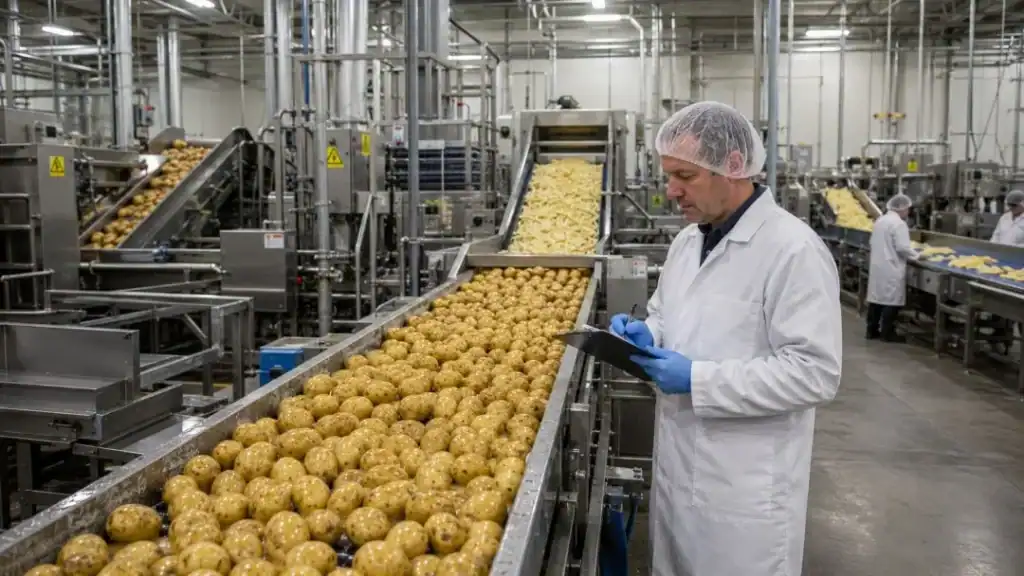
The processing sector plays a major role in potato demand, especially for products such as frozen fries and chips. Growers who produce suitable varieties and meet quality standards may access more stable market opportunities.
Storage and Supply Chain Management
Storage capacity can influence when and how farmers sell their crops. Better storage allows growers to avoid selling during periods of weak prices and helps maintain quality after harvest.
Efficient supply chains can also reduce losses and improve market stability.
Potato Price Forecast by Region (2026)
Potato prices will not move in the same direction across all Western markets in 2026. Each region has different production systems, buyer relationships, climate risks and supply conditions. These differences will shape local price opportunities and challenges for growers.
| Region | Outlook | Main Drivers |
|---|---|---|
| United States | Moderate price opportunities with strong regional differences | Processing demand, production costs and contract markets |
| Canada | Stable market outlook with pressure from input costs | Export demand, growing conditions and farm margins |
| United Kingdom | Continued uncertainty with supply and cost challenges | Weather impact, production costs and market balance |
| Europe | Mixed outlook across countries | Surplus supply in some areas, climate risks and changing demand |
United States
The US potato market will continue to depend heavily on processing demand in 2026. Frozen fries and other processed products create strong demand for specific varieties and quality standards.
However, higher costs for labour, energy and inputs may limit profit growth for some growers. Farms with efficient production systems and strong processor relationships may have better opportunities than growers selling only into spot markets.
Canada
Canadian potato growers may face a balance between strong production potential and rising operating costs. Export demand, especially from the processing sector, will remain an important factor for market stability.
Growers will need to monitor input expenses and buyer requirements closely. Farms that improve efficiency and maintain consistent quality may be better positioned as market conditions change.
United Kingdom
The UK potato market may continue to experience uncertainty in 2026. Weather conditions, storage costs and production expenses will influence both supply availability and grower margins.
Some growers may face pressure from changing market conditions, while efficient producers with reliable supply relationships may find better opportunities.
Europe
European potato markets will likely show significant differences between countries. Some regions may experience supply pressure from strong harvests, which can limit price growth. Other areas may face production challenges linked to weather conditions and rising costs.
For European growers, managing supply timing, storage decisions and production efficiency will remain important factors in protecting profitability.
This makes a regional potato price forecast more useful than a single global prediction for growers. growers should focus on local supply, buyer demand and cost management when planning for the 2026 market.
What Higher Potato Prices Mean for Farmers
Higher potato prices can create new revenue opportunities for farmers, but price increases alone do not guarantee higher profits. The final financial outcome depends on production costs, crop quality, market access and how effectively growers manage their operations.
Revenue Opportunity
When potato prices rise, growers may achieve stronger returns if they produce marketable crops that match buyer demand. Farmers who understand market requirements can use favourable price periods to improve revenue opportunities.
However, market timing remains important. Selling decisions, storage capacity and buyer relationships can influence how much value farmers capture from higher prices.
Cost Management
Higher prices can help offset rising farm expenses, but growers still need to control production costs. Fertiliser, fuel, labour, energy and equipment expenses directly affect profit margins.
Farmers who track their cost per acre and improve efficiency can protect profitability even when market conditions become uncertain.
Contract Farming
Contract agreements with processors can provide more predictable market opportunities for potato growers. These agreements often focus on specific varieties, quality standards and supply schedules.
For farms supplying processing markets, strong relationships with buyers can reduce some price uncertainty and create a more stable business model.
Storage Strategy
Storage can give farmers more flexibility when market conditions change. Growers with suitable storage facilities may avoid selling immediately after harvest when supply is often higher and prices may be weaker.
Effective storage management can help maintain quality, reduce losses and improve selling decisions throughout the marketing season.
Overall, higher potato prices can benefit farmers, but long-term profitability depends on managing costs, choosing the right market channels and making strategic production decisions.
How Farmers Can Prepare for Potato Market Changes
Potato growers cannot control every market factor, but they can improve their ability to respond to changing conditions. In 2026, successful growers will likely focus less on producing the highest volume and more on producing the right crop for the right market.
Improve Efficiency Before Expanding Production
Higher production does not always lead to higher profits. When input costs remain high, improving efficiency can have a greater impact on farm margins than simply increasing acreage.
Growers can review their cost structure, identify unnecessary expenses and improve resource use across planting, harvesting and storage operations. Better efficiency helps farms remain competitive even when potato prices fluctuate.
Choose Varieties Based on Market Demand
The best potato variety depends on the buyer, not only on yield potential. Processing companies often require specific characteristics for products such as frozen fries, chips or other processed foods.
Farmers who understand processor requirements and consumer demand can make better variety decisions before planting. Producing a crop that matches market needs may create stronger selling opportunities.
Reduce Post-Harvest Losses
Price opportunities can disappear when potatoes lose quality after harvest. Poor storage conditions, handling problems and delayed marketing decisions can reduce the value of a crop.
Investing in proper storage management allows growers to maintain quality and choose better selling periods. This approach can become especially important when market prices change throughout the season.
Monitor Market Signals Regularly
Successful growers need more than production data. They also need to follow market signals such as processing demand, supply levels, input costs and regional price trends.
Understanding these signals helps farmers make better decisions about planting plans, storage timing and marketing strategies.
The future potato market may reward growers who combine production skills with stronger market awareness. Farmers who understand both the crop and the business side of farming will be better prepared for changing conditions.
Frequently Asked Questions
Will potato prices increase in 2026?
Potato prices may increase in some Western markets during 2026, but the trend will vary by region. Weather conditions, crop yields, production costs and processing demand will influence local prices. Growers should not expect one price direction across the United States, Canada, the United Kingdom and Europe.
What factors affect potato prices?
Potato supply and demand strongly influence market prices. Weather, crop yields, fertiliser and energy costs, storage capacity and processing demand also affect price movements. Local buyer demand can create major differences between regions.
Is potato farming profitable in 2026?
Potato farming can remain profitable in 2026, but higher market prices will not automatically produce higher returns. Profitability will depend on production costs, crop quality, yield, storage performance and access to reliable buyers. Farmers should evaluate expected revenue and total costs before expanding production.
Which countries influence global potato prices?
China and India influence global potato supply because they produce large crop volumes. The United States, Canada and several European countries also affect international trade and processed potato markets. However, local production and regional demand often have a stronger effect on the prices that individual growers receive.
Conclusion
The potato price forecast for 2026 shows that profitability will depend on more than production volume alone. Supply chain efficiency, climate resilience, production costs and market demand will also shape price movements across Western markets.
Higher prices may create stronger revenue opportunities, but they will not automatically improve farm profitability. Growers must compare expected market returns with their total production, storage and marketing costs.
The most successful farmers may not be those who produce the largest crop. They may be the growers who match potato varieties with buyer demand, reduce post-harvest losses and respond quickly to changing market signals.
For Western potato growers, the 2026 outlook calls for careful planning rather than simple price expectations. Farmers who combine efficient production with strong market awareness will be better prepared to protect margins and identify profitable opportunities.