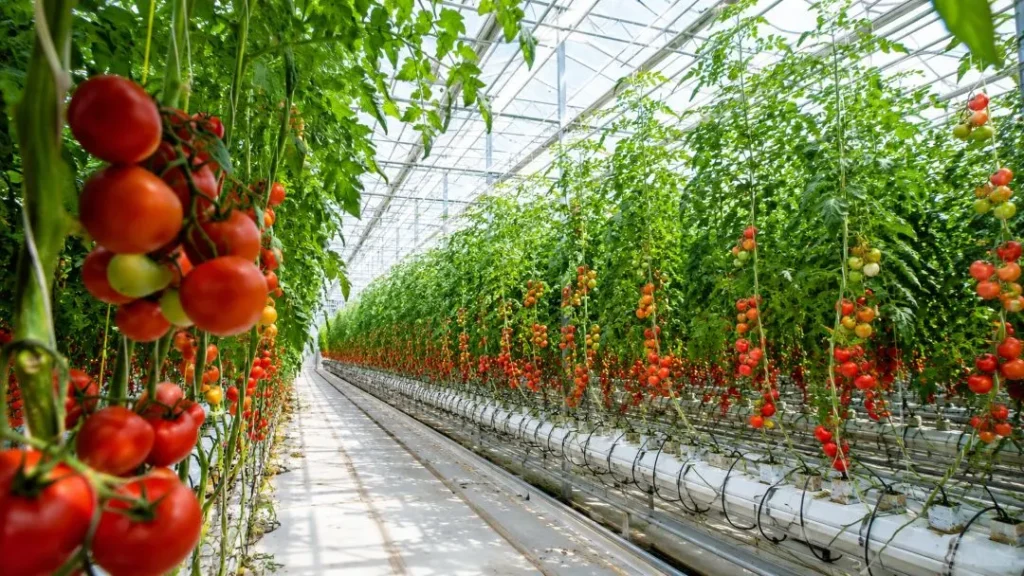
Greenhouse tomato farming can offer strong revenue potential for growers who can manage high startup costs, energy use, labour and production efficiency. Unlike open-field production, greenhouse systems give farmers greater control over growing conditions and can support more consistent production for fresh-market buyers.
For growers in the USA, UK, Canada and Australia, the business case depends on more than tomato yield alone. Greenhouse construction, heating, lighting, irrigation, labour, crop losses and selling prices can all change the final profit margin. A high yield does not automatically guarantee a strong return.
So, is greenhouse tomato farming profitable in 2026?
This guide examines the main numbers that determine profitability, including greenhouse startup costs, tomato yield per square metre, operating expenses, profit margins and potential ROI. It also highlights common mistakes that can reduce returns and explains what growers should consider before investing in a commercial greenhouse tomato operation.
Why Greenhouse Tomato Farming Is Growing Fast
Rising Demand for Local Tomatoes
Consumers increasingly prefer locally grown produce. Imported tomatoes often lose flavour during transport. In contrast, greenhouse-grown tomatoes reach shelves fresher and faster.
According to recent North American produce market reports, greenhouse tomatoes now account for over 35% of fresh tomato sales in some regions. Retailers also favour controlled-environment growers because supply becomes more predictable.
Moreover, restaurants and premium grocery chains willingly pay more for:
- Vine-ripened tomatoes
- Pesticide-reduced produce
- Organic greenhouse tomatoes
- Specialty varieties
This creates strong opportunities for small growers.
Climate Change and Controlled Farming
Traditional farming faces unpredictable weather. Floods, droughts, heatwaves, and unexpected frosts can destroy open-field tomato crops.
Greenhouses reduce these risks dramatically.
Moreover, integrating regenerative agriculture practices into greenhouse systems can help farms reduce emissions and improve long-term sustainability.
With controlled farming systems, growers can manage:
- Temperature
- Humidity
- Irrigation
- Ventilation
- Nutrient delivery
As a result, crop losses decrease while consistency improves.
Year-Round Production Advantages
One major advantage of greenhouse tomato farming is continuous production.
Outdoor tomato farming may only produce one or two harvests annually. However, greenhouse systems can generate tomatoes almost year-round.
This means:
- More harvest cycles
- Stable cash flow
- Better market timing
- Higher annual income potential
In fact, some growers also combine greenhouse production with a profitable vertical farming business model to maximise space efficiency and year-round income.
Timing matters enormously. Tomatoes sold during winter months often command premium prices.
Startup Costs of Greenhouse Tomato Farming
Starting a greenhouse tomato business requires planning and realistic budgeting. Costs vary depending on automation level, greenhouse type, and location.
Below is a realistic 2026 estimate for a small commercial setup of around 500 square metres.
| Expense Category | Estimated Cost (USD) |
|---|---|
| Greenhouse structure | $12,000–$35,000 |
| Irrigation system | $2,000–$6,000 |
| Climate control | $3,000–$15,000 |
| Grow bags or hydroponics | $1,500–$5,000 |
| Tomato seedlings/seeds | $500–$1,500 |
| Fertiliser and nutrients | $1,000–$3,000 |
| Labour setup | $2,000–$6,000 |
| Electricity and utilities | $1,500–$4,000 |
| Packaging and marketing | $800–$2,500 |
Estimated total startup cost:
$23,000–$78,000
Yes, that range is wide enough to make accountants nervous. However, system quality significantly affects long-term profitability.
Greenhouse Structure Cost
The greenhouse itself is the largest investment.
Common greenhouse options include:
Poly Tunnel Greenhouses
- Cheapest option
- Suitable for beginners
- Lower climate control
- Lifespan: 5–10 years
Average cost:
$20–$40 per square metre
Glass Greenhouses
- Premium commercial systems
- Excellent light transmission
- Higher durability
- Expensive maintenance
Average cost:
$80–$150 per square metre
Polycarbonate Greenhouses
- Popular mid-range choice
- Better insulation
- Strong weather resistance
Average cost:
$50–$90 per square metre
Many small growers start with poly tunnels before upgrading.
Irrigation and Climate Control Systems
Modern greenhouse tomato farming depends heavily on precision systems.
Important equipment includes:
- Drip irrigation
- Misting systems
- Ventilation fans
- Heaters
- Shade cloths
- Humidity sensors
- Automated nutrient dosing
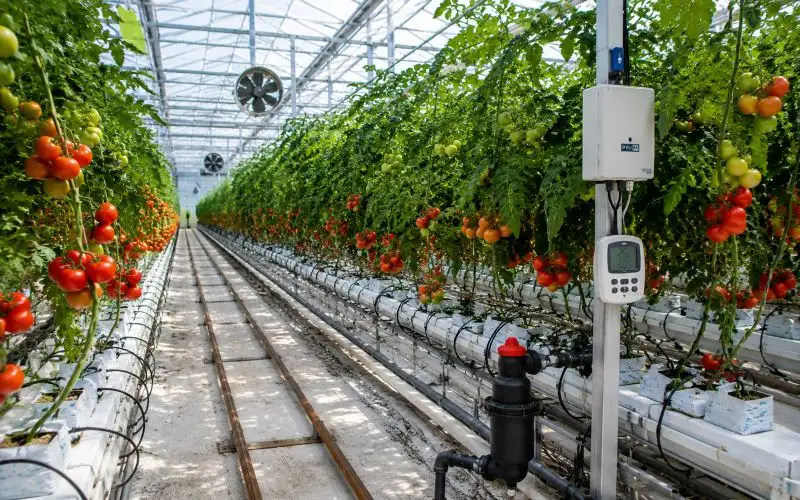
Automation improves productivity significantly. However, it also raises electricity bills.
Still, automation often pays for itself through reduced labour costs and higher yields.
Seeds, Fertiliser, and Labour Costs
Hybrid greenhouse tomato seeds cost more than standard field varieties. Yet they deliver stronger disease resistance and better yields.
Popular commercial varieties include:
- Trust tomatoes
- Geronimo tomatoes
- Bigdena tomatoes
- Rebelski tomatoes
Annual operational expenses typically include:
| Operating Cost | Annual Estimate |
|---|---|
| Seeds/seedlings | $500–$1,500 |
| Fertilisers | $1,000–$3,000 |
| Pest management | $800–$2,000 |
| Labour | $10,000–$35,000 |
| Energy bills | $3,000–$12,000 |
Labour remains one of the biggest ongoing costs, especially in Western countries.
Tomato Yield Per Square Meter
Yield is where greenhouse tomato farming truly shines.
Average Yield in Greenhouse Systems
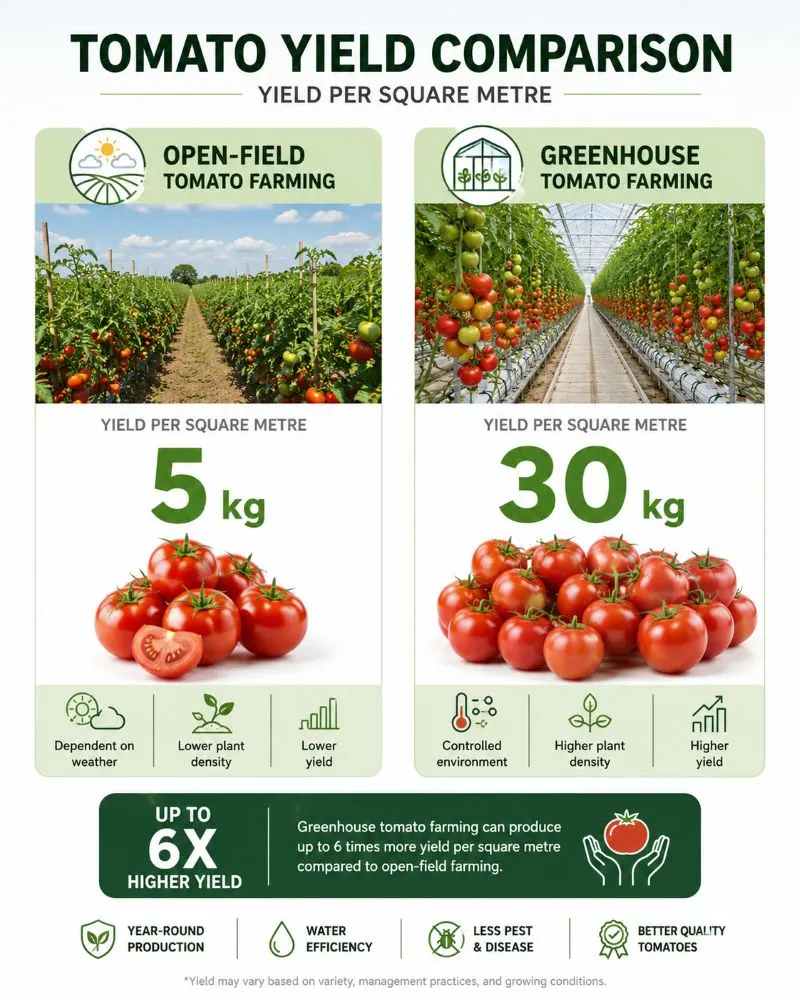
Open-field tomato farms often produce 3–5 kg per square metre.
Greenhouse systems can produce:
- 20–40 kg per square metre annually
- High-tech hydroponic systems may exceed 60 kg
That difference is massive.
For example:
A 500-square-metre greenhouse producing 30 kg/m² yields:
500×30=15,000 kg500 \times 30 = 15{,}000\ \text{kg}500×30=15,000 kg
That equals 15 tonnes of tomatoes annually.
If average wholesale pricing reaches $2 per kg:
15,000×2=30,00015{,}000 \times 2 = 30{,}00015,000×2=30,000
Estimated gross revenue:
$30,000 per year
Premium organic tomatoes can generate even higher prices.
Factors Affecting Productivity
Several factors influence greenhouse tomato yield:
Temperature Management
Ideal daytime temperature:
20–26°C
Poor temperature control reduces fruit quality and pollination success.
Pollination
Many commercial growers use bumblebees inside greenhouses for natural pollination.
Without proper pollination, yields drop sharply.
Nutrient Balance
Tomatoes require precise nutrient ratios.
Using the best organic fertilizers for tomatoes can improve fruit quality, strengthen plant health, and support long-term soil fertility.
Excess nitrogen causes leafy plants with fewer fruits. Therefore, growers must carefully monitor feeding schedules.
Disease Control
Fungal diseases spread quickly in humid environments.
Therefore, many commercial growers now use natural pest control methods to reduce chemical dependency and maintain healthier greenhouse ecosystems.
Common greenhouse tomato diseases include:
- Powdery mildew
- Botrytis
- Fusarium wilt
- Root rot
Preventive management is far cheaper than crop loss.
Greenhouse Tomato Farming ROI
Now for the section every grower secretly skips to first.
Revenue Estimation
Let’s examine a realistic example.
Example: Small Commercial Greenhouse
- Size: 500 m²
- Yield: 30 kg/m²
- Total production: 15,000 kg
- Average selling price: $2/kg
Estimated annual revenue:
15,000×2=30,00015{,}000 \times 2 = 30{,}00015,000×2=30,000
Potential revenue:
$30,000 annually
Premium markets can raise pricing to:
- $3–$5/kg for specialty tomatoes
- Higher rates for organic produce
Operating Expenses
Annual operating costs may include:
| Expense | Estimated Annual Cost |
|---|---|
| Labour | $15,000 |
| Utilities | $5,000 |
| Fertilisers | $2,500 |
| Packaging | $2,000 |
| Maintenance | $2,500 |
| Pest control | $1,000 |
Estimated total:
$28,000
At first glance, profits may seem modest.
However:
- Efficient growers improve margins yearly
- Automation reduces labour costs
- Premium pricing increases profitability
- Scaling improves efficiency
Expected Profit Margin
Average greenhouse tomato farm profit margins:
| Farm Type | Profit Margin |
|---|---|
| Beginner setup | 5–12% |
| Efficient mid-scale farm | 15–25% |
| High-tech commercial system | 25–40% |
ROI often improves after the second or third year once infrastructure costs stabilise.
Biggest Challenges in 2026
Greenhouse farming is profitable, but it is certainly not “easy money”.
Energy Costs
Electricity prices remain a major challenge worldwide.
Heating greenhouses during winter can become expensive quickly.
Many growers now invest in:
- Solar panels
- Thermal curtains
- Energy-efficient LEDs
- Biomass heating
Energy efficiency directly affects profitability.
Disease Management
High humidity encourages fungal outbreaks.
One neglected ventilation issue can damage an entire crop.
Successful growers monitor:
- Air circulation
- Humidity levels
- Plant spacing
- Watering schedules
Consistency matters more than fancy equipment.
Labour Shortages
Skilled greenhouse workers remain difficult to find in many Western countries.
Tasks requiring trained labour include:
- Pruning
- Trellising
- Pollination
- Harvesting
- Disease scouting
Consequently, automation is becoming increasingly important.
Is Greenhouse Tomato Farming Worth It for Small Farmers?
For many growers, yes.
However, profitability depends on three critical factors:
- Market access
- Production efficiency
- Cost management
Small farmers often succeed by targeting premium local markets rather than competing with industrial producers.
Best Business Models for Small Growers
Direct-to-Consumer Sales
Selling directly increases margins significantly.
Options include:
- Farmers markets
- CSA subscriptions
- Farm shops
- Online produce delivery
Specialty Tomato Production
Heirloom and cherry tomatoes command higher prices.
Consumers happily pay extra for flavour and uniqueness.
Organic Greenhouse Farming
Organic tomatoes often achieve premium retail pricing.
Certification takes effort, but the long-term returns can justify it.
When It May NOT Be Worth It
Greenhouse tomato farming may struggle if:
- Energy costs are extremely high
- Market access is poor
- Labour is unavailable
- Cheap imports dominate local markets
Careful business planning is essential.
Best Tomato Varieties for Greenhouse Farming
Choosing the right variety dramatically affects profitability.
Popular greenhouse tomato varieties include:
| Variety | Best For |
|---|---|
| Geronimo | Commercial production |
| Trust | Disease resistance |
| Bigdena | High yield |
| Sakura | Cherry tomatoes |
| Rebelski | Premium markets |
Growers should test small batches before scaling fully.
Farmers targeting warm climates can also explore how to grow tomatoes in California to understand ideal watering schedules and variety selection.
Smart Tips to Increase Greenhouse Tomato Profit
Use Vertical Growing Systems
Vertical trellising maximises space efficiency.
Higher plant density often increases overall yield.
Invest in Automation Gradually
Start simple. Upgrade later.
Many growers overspend early and struggle financially afterward.
Monitor Data Carefully
Track:
- Yield per plant
- Water usage
- Labour hours
- Energy consumption
- Market prices
The best growers make decisions using numbers, not guesswork.
Diversify Sales Channels
Relying on one supermarket contract can be risky.
Instead, combine:
- Retail sales
- Wholesale buyers
- Restaurants
- Online orders
FAQ About Greenhouse Tomato Farming
How profitable is greenhouse tomato farming?
Profit margins vary from 5% to 40%, depending on efficiency, scale, and market pricing.
What is the average greenhouse tomato yield per square metre?
Most commercial systems produce 20–40 kg per square metre annually.
Is hydroponic tomato farming better than soil growing?
Hydroponics often improves yield and water efficiency. However, startup costs are higher.
How much does a small tomato greenhouse cost?
A small commercial greenhouse setup may cost between $20,000 and $80,000.
Which country leads greenhouse tomato production?
The Netherlands remains one of the global leaders in greenhouse technology and tomato productivity.
Can greenhouse tomatoes grow year-round?
Yes. Controlled environments allow nearly continuous production in many climates.
Conclusion
Greenhouse tomato farming is no longer just an experimental niche. It has become a serious agricultural business opportunity with strong demand and impressive yield potential.
Yes, startup costs are significant. Energy prices also remain challenging. However, growers who master climate control, market positioning, and efficient operations can build highly profitable businesses.
The key is starting strategically.
Begin with manageable scale, learn the systems carefully, and focus on quality before expansion.
After all, tomatoes may not make you a billionaire overnight. Still, they can certainly help pay the mortgage — and perhaps fund a decent holiday too.