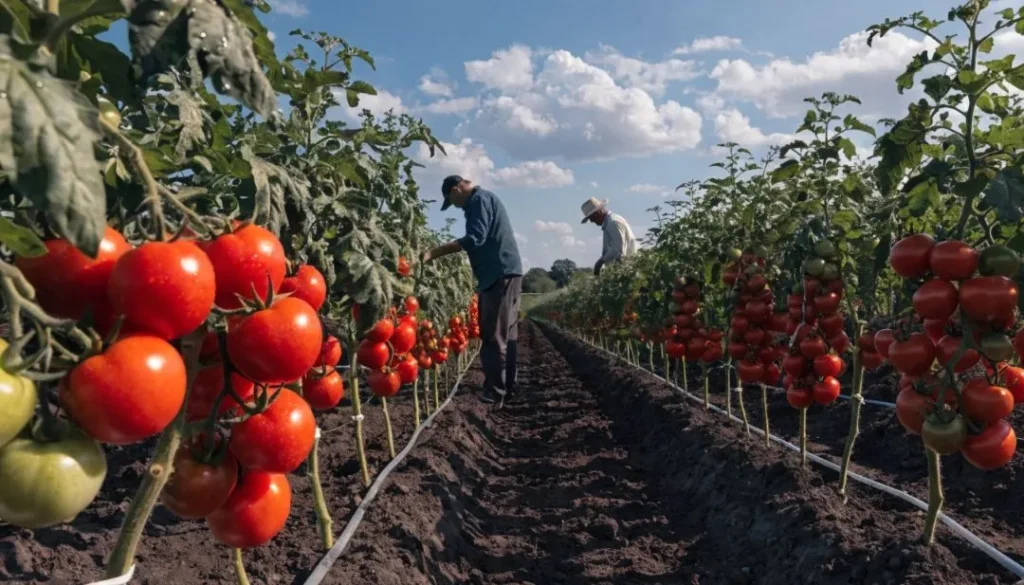
If you’re thinking about Profitable Tomato Farming, you’re not alone-and for good reason. Tomatoes are one of the most consumed vegetables globally, and demand continues to rise year after year. Whether you’re a smallholder or planning a commercial venture, tomatoes can offer impressive returns when managed properly. However, the difference between a thriving tomato business and a disappointing one often comes down to strategy, not luck.
Many farmers jump into tomato cultivation expecting quick profits, only to face losses due to poor planning, pests, or market fluctuations.
However, when done right, tomato farming can generate £2,000–£6,000 profit per acre per season in developed markets.
If you’re targeting developed markets, especially North America, understanding regional practices is crucial. For example, this guide on tomato farming in Canada – how to grow commercially explains climate-specific strategies, greenhouse methods, and market opportunities in detail.
The opportunity is clear: tomatoes offer high yield, short cycles, and strong market demand. Now let’s break down how to turn that into consistent income.
Understanding Tomato Farming Economics
Tomato farming profitability depends on three key factors:
- Yield per acre
- Market price fluctuations
- Input costs (labour, fertiliser, irrigation)
Average Cost Breakdown (Per Acre)
| Expense Category | Cost (USD) |
|---|---|
| Seeds/Seedlings | $120–$300 |
| Land Preparation | $150–$400 |
| Fertilisers | $200–$600 |
| Irrigation | $100–$300 |
| Labour | $500–$1,200 |
| Pest Control | $150–$400 |
| Miscellaneous | $100–$200 |
| Total Cost | $1,320–$3,400 |
Revenue Potential
- Yield: 20–35 tonnes per acre
- Price: $0.30–$0.80 per kg
- Gross income: $6,000–$20,000 per acre
Best Tomato Varieties for High Yield & Profit
Choosing the right variety is half the battle.
High-Profit Varieties
- Roma tomatoes – ideal for processing
- Cherry tomatoes – premium market value
- Beefsteak tomatoes – large size, high demand
- Hybrid varieties – disease resistance and high yield
Tip: Hybrid seeds may cost more, but they often deliver 30–50% higher yield.
If you are just starting out or managing a small farm, choosing the right variety becomes even more critical. You can explore practical recommendations in this article on best tomato farming guide for smallholders which explains suitable varieties for different farm sizes and conditions.
Ideal Climate and Soil Conditions
Tomatoes thrive in:
- Temperature: 20°C–30°C
- Soil: Well-drained loamy soil
- pH: 6.0–6.8
Avoid waterlogged areas—tomatoes hate “wet feet” more than farmers hate falling prices.
Step-by-Step Tomato Farming Process
1. Land Preparation
- Plough deeply
- Add organic compost
- Create raised beds
2. Nursery Management
- Start seeds in trays
- Transplant after 3–4 weeks
3. Spacing
- 60 cm between plants
- 90 cm between rows
Irrigation and Water Management
Tomatoes need consistent watering.
Best Methods
- Drip irrigation (most efficient)
- Mulching to retain moisture
Water stress = smaller fruits = smaller profits.
Fertiliser and Nutrient Management
omato plants are heavy feeders. If you want high yield and premium-quality fruits, you must follow a precise nutrient schedule—not guesswork. Think of fertiliser like a meal plan: wrong timing or imbalance, and your plants will show it immediately.
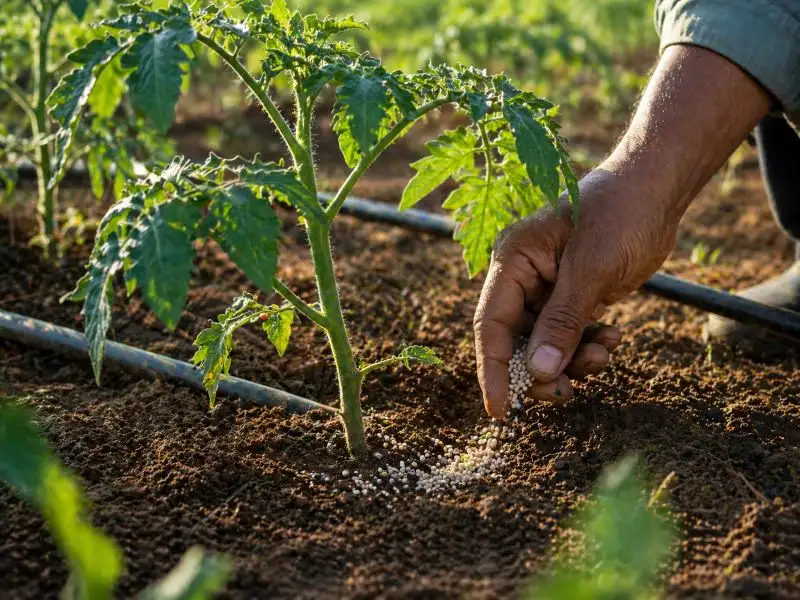
Soil Testing (Before Anything Else)
Before applying any fertiliser:
- Test soil for pH and nutrient levels
- Ideal pH: 6.0–6.8
- Adjust if needed:
- Low pH → Apply lime
- High pH → Add sulphur or organic matter
Skipping this step is like cooking without tasting—risky and expensive.
Basal Fertiliser Application (Before Transplanting)
Apply during final land preparation:
Per acre recommendation:
- Well-decomposed compost: 4–6 tonnes
- Urea: 40–50 kg
- TSP (Triple Super Phosphate): 80–100 kg
- MOP (Muriate of Potash): 60–70 kg
Application Method:
- Mix all fertilisers evenly into soil
- Apply during last ploughing
- Ensure proper moisture for nutrient activation
This stage builds a strong foundation for root development.
Top Dressing Schedule (After Transplanting)
Tomatoes need nutrients in stages. Here’s a practical feeding timeline:
15–20 Days After Transplanting (Vegetative Growth Stage)
Apply:
- Urea: 30–40 kg per acre
Method:
- Side dressing (apply 5–7 cm away from plant base)
- Light irrigation after application
Purpose: Boost leaf and stem growth
30–35 Days After Transplanting (Pre-Flowering Stage)
Apply:
- Urea: 20–30 kg
- MOP: 20–25 kg
Method:
- Apply in rows beside plants
- Irrigate immediately
Purpose: Prepare plants for flowering and fruiting
45–50 Days After Transplanting (Flowering Stage)
Apply:
- Calcium nitrate: 15–20 kg
- Boron (foliar spray): 0.2% solution
Method:
- Foliar spray in the early morning or evening
Purpose: Improve flower retention and prevent blossom drop
60–70 Days After Transplanting (Fruit Development Stage)
Apply:
- MOP: 20–25 kg
- Magnesium sulphate: 10–15 kg
Method:
- Soil application + irrigation
Purpose: Improve fruit size, colour, and taste
Micronutrient Spray Schedule
Every 10–15 days:
- Zinc: 0.5%
- Boron: 0.2%
- Calcium: 0.5%
Always spray during cool hours (morning/evening)
Fertigation (Advanced Farmers)
If using drip irrigation:
- Apply soluble fertilisers weekly:
- NPK (19:19:19): 2–3 kg per acre/week
- Split doses for better absorption
This method reduces wastage and increases efficiency by 30–40%.
Organic Fertiliser Option
For eco-friendly farming:
- Vermicompost: 2–3 tonnes per acre
- Neem cake: 100–150 kg
- Liquid fertilisers (Jeevamrit): every 15 days
If you prefer eco-friendly inputs, you can explore this detailed guide on best organic fertilizers for tomatoes to choose the most effective natural options for higher yield and soil health.
Common Fertiliser Mistakes
Avoid these costly errors:
- Overusing nitrogen → Excess leaves, fewer fruits
- Skipping potassium → Poor fruit quality
- Applying fertiliser on dry soil → Root burn
- Irregular feeding → Uneven growth
Pro Tip for Maximum Profit
Use a split application strategy instead of applying all fertiliser at once.
Why?
- Better nutrient uptake
- Reduced losses
- Higher yield
Quick Summary Table
| Growth Stage | Key Nutrients | Goal |
|---|---|---|
| Early growth | Nitrogen | Leaf development |
| Pre-flowering | N + K | Strong plant structure |
| Flowering | Ca + B | Flower retention |
| Fruiting | K + Mg | Fruit size & quality |
Pest and Disease Management
Common threats:
- Aphids
- Whiteflies
- Blight
Control Measures
- Crop rotation
- Neem oil sprays
- Resistant varieties
Prevention is cheaper than cure—always.
Flowering, Pollination, and Fruit Development
Tomatoes are self-pollinating, but:
- Wind and insects improve yield
- Greenhouse growers may use manual vibration
Good pollination = uniform fruits = better market price.
Harvesting Techniques for Maximum Profit
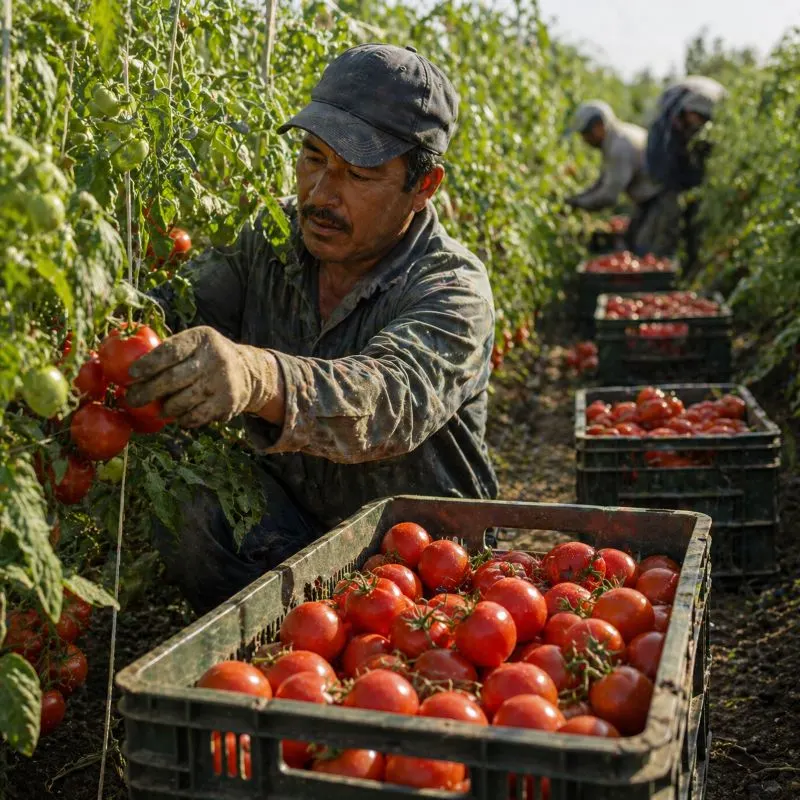
- Harvest at breaker stage for transport
- Pick early morning for freshness
- Avoid bruising
Grading tomatoes can increase price by 20–30%.
Tomato Farming Profit Per Acre
Example Calculation
- Yield: 25 tonnes
- Price: $0.50/kg
- Revenue: $12,500
- Cost: $2,500
Net Profit: $10,000 per acre
Even after price drops, profits often remain attractive.
Marketing Strategies for Tomato Farmers
Sell Smarter, Not Harder
- Direct-to-consumer sales
- Farmers’ markets
- Contracts with retailers
- Online produce platforms
Advanced Techniques for High Yield
- Greenhouse farming
- Hydroponics
- Mulching with plastic film
- Precision farming tools
Greenhouse tomatoes can yield 2–3 times more than open-field farming.
Common Mistakes to Avoid in Tomato Farming
- Overwatering
- Poor variety selection
- Ignoring soil testing
- Delayed pest control
Avoid these, and you’re already ahead of many beginners.
Profitable Tomato Farming Business Plan
Basic Plan Structure
- Initial investment: $2,000–$5,000
- Expected yield: 20–30 tonnes
- Break-even: First harvest
- ROI: 100–300% per season
Start small. Scale smart.
Sustainable & Eco-Friendly Tomato Farming
- Use organic fertilisers
- Reduce chemical pesticides
- Implement drip irrigation
- Practice crop rotation
Eco-friendly farming attracts premium buyers and improves soil health long-term.
Challenges + Solutions
| Challenge | Solution |
|---|---|
| Price fluctuations | Contract farming |
| Pest outbreaks | Integrated pest management |
| Water scarcity | Drip irrigation |
| Labour shortage | Mechanisation |
Is It Worth It?
Short answer: Yes—if done strategically.
Tomato farming offers:
- Fast returns (within 90–120 days)
- High demand globally
- Scalable business model
However:
- Prices can fluctuate
- Requires careful management
Final Verdict
If you treat it like a business—not a gamble—Profitable Tomato Farming is absolutely worth it.
FAQ Section
1. How much profit can tomato farming generate per acre?
Typically $3,000–$10,000 per acre, depending on yield and market price.
2. What is the best season for tomato farming?
Spring and summer in temperate regions; winter in tropical climates.
3. How long does it take to harvest tomatoes?
Around 90–120 days after planting.
4. Which tomato variety is most profitable?
Cherry and hybrid varieties often yield higher profits.
5. Is greenhouse tomato farming more profitable?
Yes, it can increase yield by 2–3 times, but requires higher investment.
Conclusion
Profitable Tomato Farming isn’t just agriculture, it’s a business opportunity hiding in plain sight.
With proper planning, the right variety, and smart marketing, you can turn a modest investment into a high-return farming venture.
Start small, learn fast, and scale wisely. Your future farm profits might just be red, round, and surprisingly lucrative.